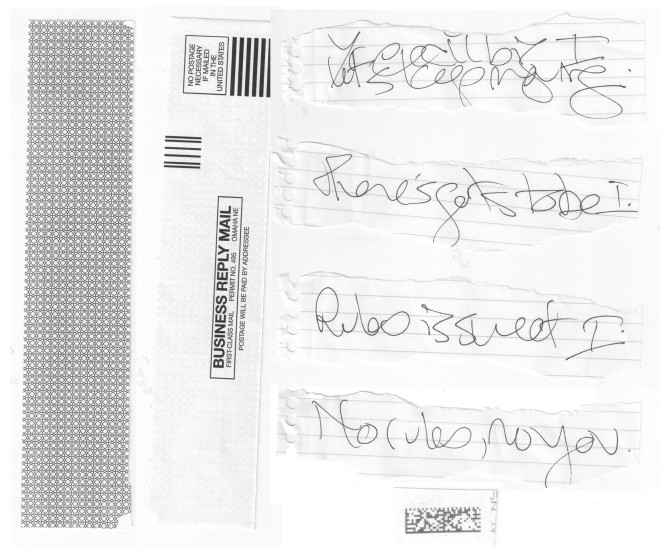
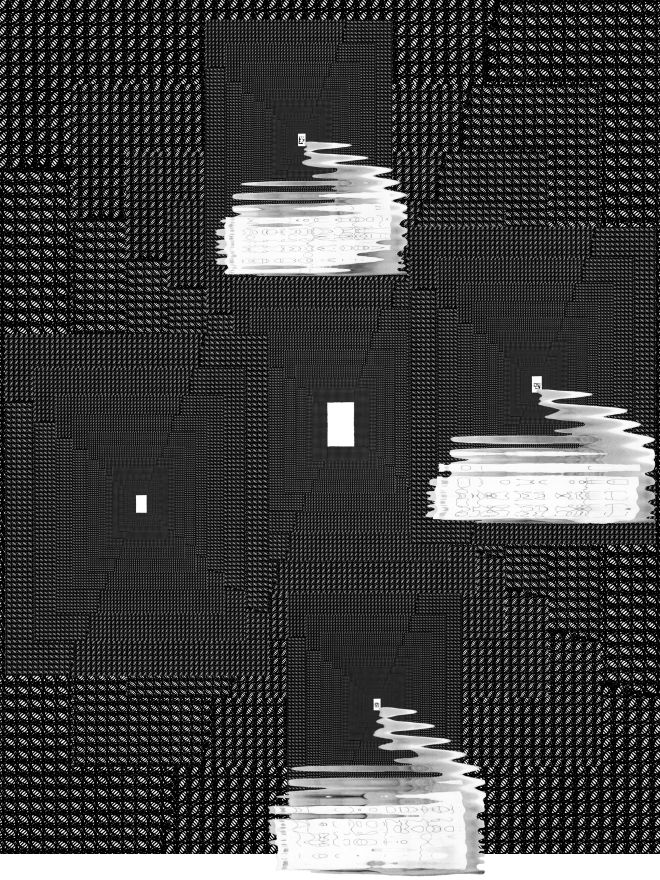
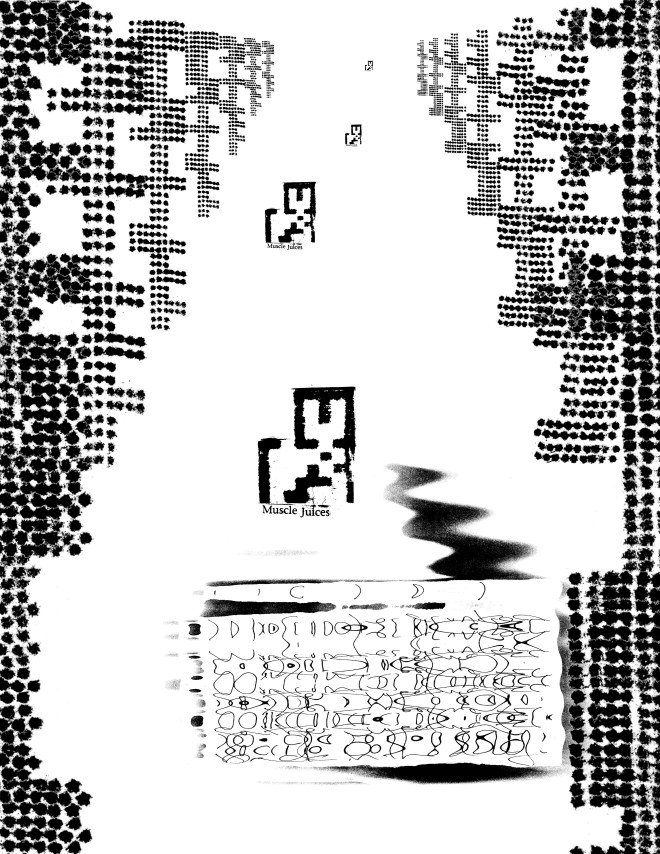
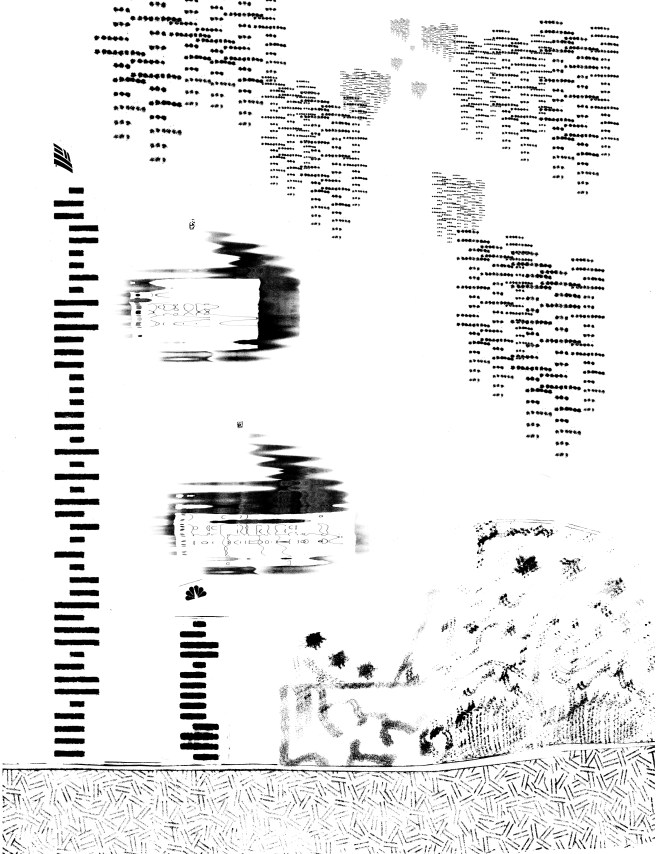
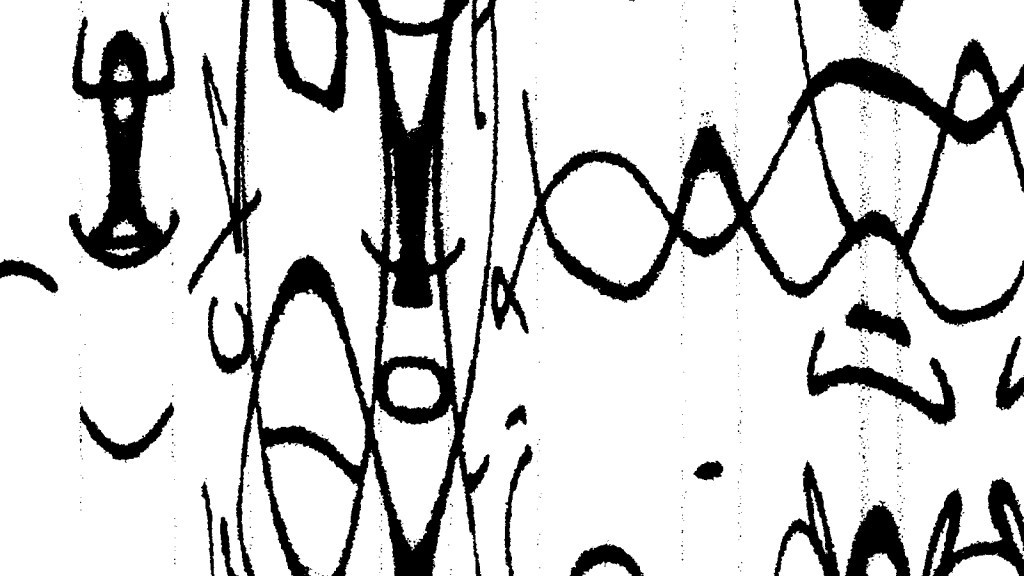
From Inanna Scient – the penultimate panels. Whole thing, as you may have heard me mention before, collaged out of junk mail.
Was wondering the other day why I’m so preoccupied with depth effects in it. And thought, might be something to do w/ how I’m approaching obliquely (as one does gorgons in a polished shield) the phantasm of machine intelligence.
Try this. The appearance of depth on the page is analogous to the appearance of intelligence in AI. It may be more or less convincing but the only actual depth the page has to offer is the thickness of its paper. A machine, though it may sail through its Turing test and appear to possess what we would like to call a mind, it’s a semblance, a contrivance. The only consciousness there is whatever consciousness inheres anyway in the matter the machine’s made from.
Realized last night that the table of contents to Dumuzi, the book I’ve been at work on since, I don’t know, late in the Sumerian era, is itself somewhat a poem. So here, in the spirit of self-composting, and also to celebrate my having once more called the damn thing done, and for reals this time, no really, it is.
DUMUZI
At Leaf
Dumuzi
His Spaces
(T)error
White Teeth O [Sumer],
A Loud Water
A Map in the Brush
Atonement
Pastoral I stroll w/ him Lascaux
Orchard
And a boy
Agora K so fire
Rain in nature
Terror of the tall trees
I thought I
Blue Mountains Walking
Fast Clay to eat
Thou
Dawns
A thorn of
Spring Snow They find
Moriah
Imago
The Friend
In Rain Deal is
A Path Down It
“Spring Snow” (detail)
Mind, Eurydice
At Anchor
Omnia Quae Sunt, Lumina Sunt
Shouts heard
“… of the tall trees” (detail) Galla fat and thin
Pest
Q.E.D.
At Moor
(C)lear Nooo
A Room
Weeds
An inner governor
Rest Stop
Head Is All Ought
Crossing the bar They are fences
Red Ink
Sez flies
In Ruin
Root Mind Sight Hands bound
Eorðgrap
One Night Pound
No room for
One leans down
A Stone
Terro(i)r
Through the Morning
Is You Is or Is You Ain’t And their life is orchard. Eyes not scornful
Union Square
Yarrow
paperwhites, for Elise
Not strong on narrative, okay, but there’s a sort of arc in it, a greeny rainbow.
Recently had a breakthrough with Dumuzi. Realized the embedded chapbook telling Inanna’s story – descent to the underworld and return here – had to bust out and become a freestanding being. So I’ve been at work on that …
But, in a funk these last couple of days. So instead of making poems I’ve been updating web pages. Vanity 1 art 0. Here’s some new stuff I wrote about the goddess project, now called Inanna Scient, because her undertaking all is to know.
Goddess Inanna, Queen of Heaven and Earth, Devastatrix of the Lands. Her story cuts through Dumuzi’s at every point at a right angle. I thought she was part of his book, but just now she broke out to become her own text – electronic and multi-modal, I think. The first panel:
“When they tire of riding the holy hard-on, Inanna gathers up her me for a road trip.” “Those are her powers.”
I know the text sounds crude. The source is way pre-Christian, open to sacred profanity, in ways post-Christian we, split between prudery and porn, can but long for.
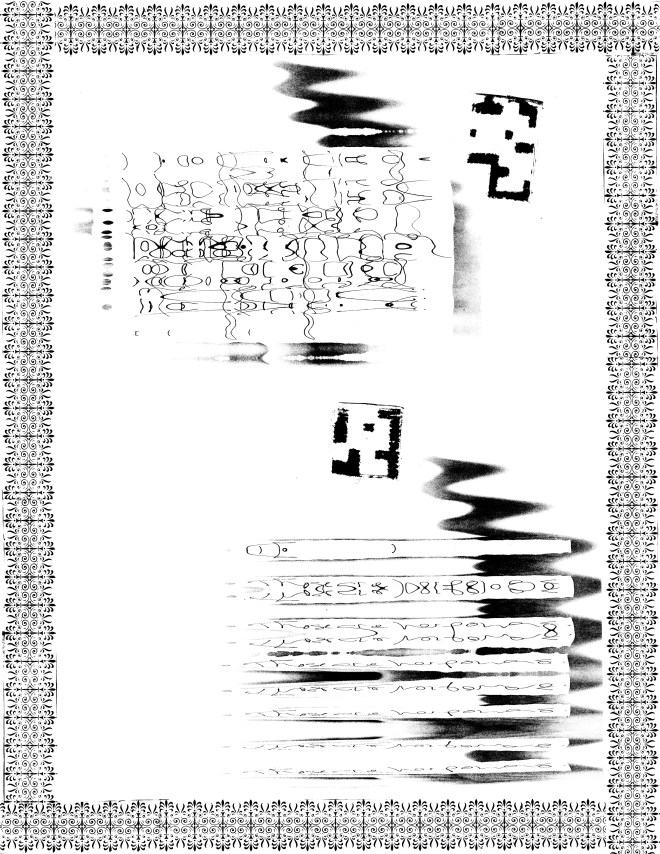
I’d like, if I can learn the right software, for the image to be multiply responsive to a touch (tablet) or mouse-over (computer). Brush the aasemic text and a voice reads it to you. Poke a demon and a crow barks. Stroke a barcode and rain in the trees. The next panel:
“Won from her drunken father Sweetwater back in the day”
I imagine the text as a “posthuman hymn.” We’ve created, if not artificial, then unnatural intelligence, and outsourced a good chunk of our thinking to it – our sorting and analyzing, our remembering and feeling. The nets we’ve trained in these human works are clunky at it but quickly getting better. By now the images of us they reflect back to us are coloured by notes not our own. It’s that uncanniness I’m after.
“Inanna” “Her faithful friend”
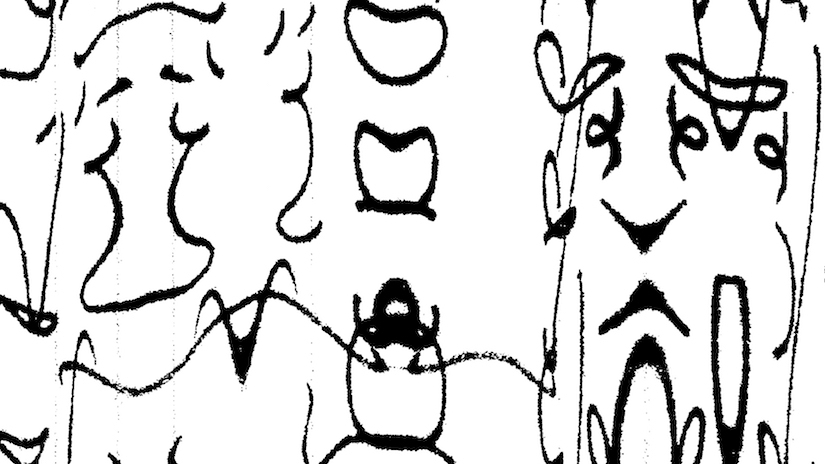
Inanna Scient imagines what it is to be our thoughts in exile from us. Informed by our fears and longings, drawn out of our bodies, made remote to us as data. Inanna and her faithful friend (Ninshubur) are those codes the P.O. prints on our mail to sort it. The backgrounds are security envelope linings. The blocky little creatures, galla from the kur, underworld demons, are postal meter codes blown way up.
Mail because commerce. Inanna and Dumuzi are grain deities, and from the roots of the grain springs trade, flowers writing, spread cities, all our gorgeous disasters.
Next week I’m moderating a reading and discussion called “Constructions of Whiteness” with the brilliant and talented poets Stephanie Bolster and Barbara Nickel at the Canadian Writers Summit in Toronto. What little I mean to say by way of introduction, follows.
Hello, and welcome to our reading and discussion, “Constructions of Whiteness.” Before we say more we should say that we are meeting on traditional indigenous territory of the Mississaugas of the New Credit. Land also with a deep history of use and care by the Haudenosaunee and the Huron-Wendat nations. We are grateful to be able to gather here.
I’m not going to say much by way of introduction. Just that we have taken as our starting point, as invitation and provocation, a passage from Ta-Nehisi Coates’s Between the World and Me.
[R]ace is the child of racism, not the father…. Difference in hue and hair is old. But the belief in the preeminence of hue and hair, the notion that these factors can correctly organize a society and that they signify deeper attributes, which are indelible—this is the new idea at the heart of these new people who have been brought up hopelessly, tragically, deceitfully, to believe that they are white.
These new people are, like us, a modern invention. But unlike us, their new name has no real meaning divorced from the machinery of criminal power. The new people were something else before they were white—Catholic, Corsican, Welsh, Mennonite, Jewish—and if all our national hopes have any fulfillment, then they will have to be something else again.
But for now, it must be said that the process of washing the disparate tribes white, the elevation of the belief in being white, was not achieved through wine tastings and ice cream socials, but rather through the pillaging of life, liberty, labor, and land; through the flaying of backs; the chaining of limbs; the strangling of dissidents; the destruction of families; the rape of mothers; the sale of children; and various other acts meant, first and foremost, to deny you and me the right to secure and govern our own bodies.
—Ta-Nehisi Coates, Between the World and Me (2015)
He’s talking about his son’s body and his own there, and the African-American body more generally, and the American body politic, including American whiteness, and we’re here in Canada, and our national experience is different. But maybe not altogether different. We each, the three of us, Stephanie Bolster, Barbara Nickel, and myself, Christopher Patton, want to share with you projects that examine the invention of whiteness, its construction, and some of its attendant destructions, examine them in ways we hope are morally alert, if fallible.
I’ll read first, followed by Barb, then Steph, with some time for discussion after. Each reader will introduce the next one, though since I’m going first, I’ll introduce myself, even if it feels a bit weird.
Curious to hear more? If you’re attending the CWS, join us in Toronto!
Saturday, June 16 2:00–3:15 Loft 1, Harbourfront Centre
Today I gave my poetry workshop an exercise in asemic writing. First time I’ve tried it & they done good. Here’s the exercise, with prelims. (And, at the end, some asemic resources.)
First, some con(structed) scripts
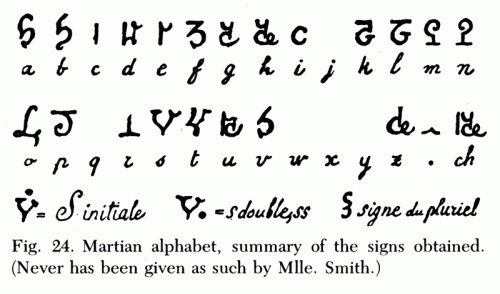
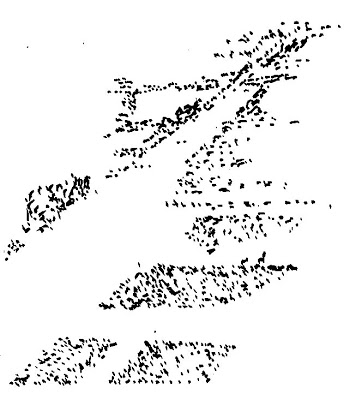
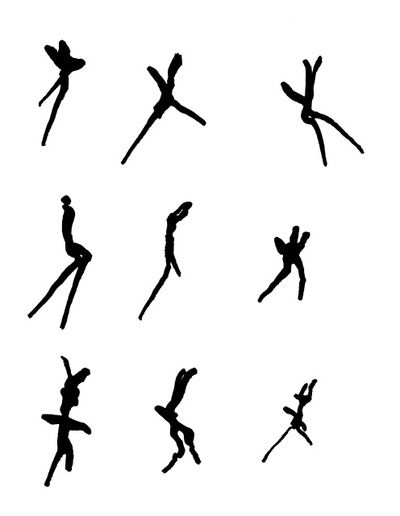
In class, showed some alphabets invented or divined. Hélène Smith‘s Martian:
Something cool by Andrew Clark I found:
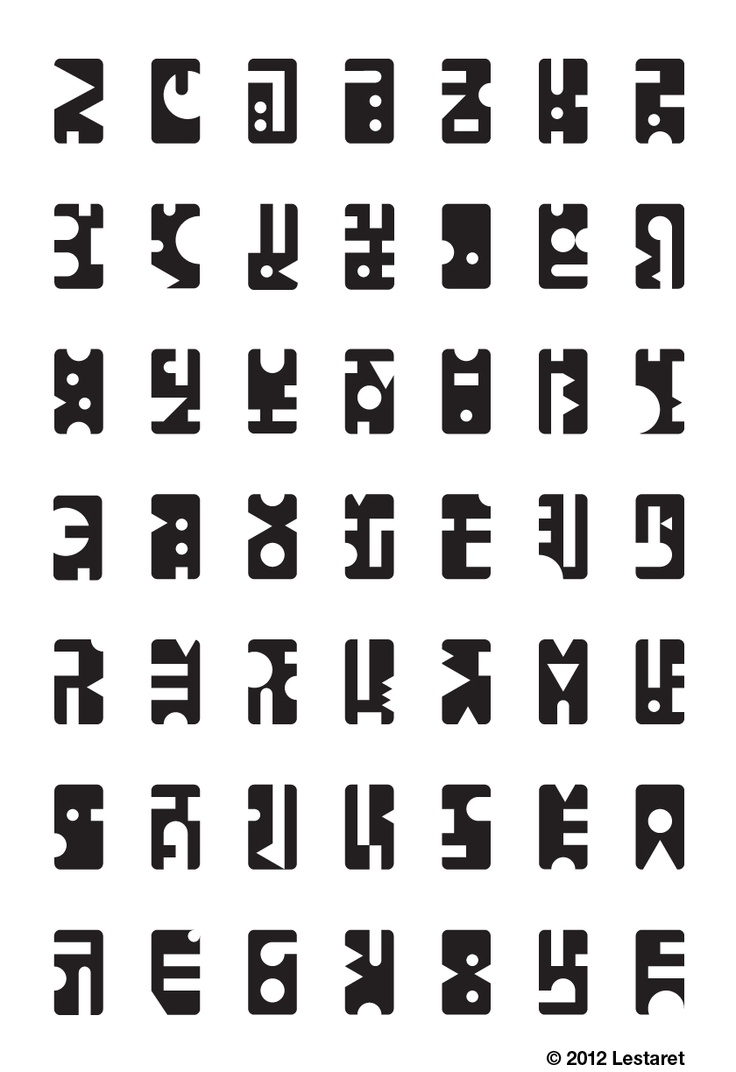
Razorsharp letterset, with pareidolia, by Christopher Skinner:
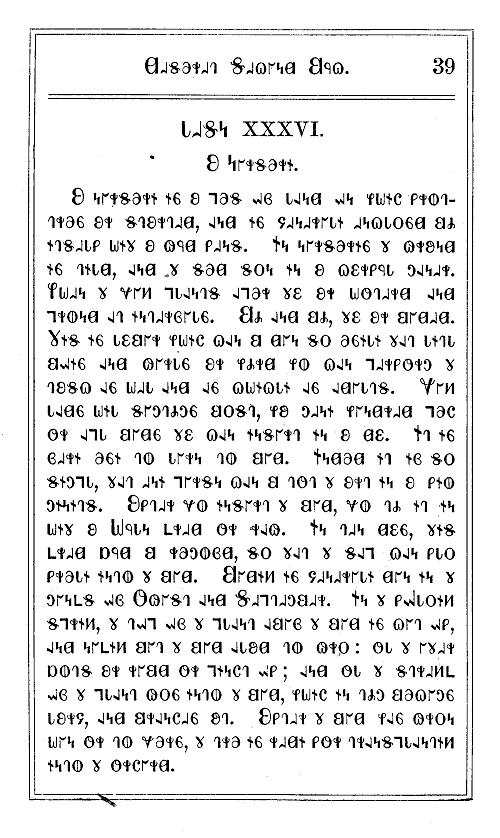
Wish I’d remembered the Deseret writing created by Brigham Young:
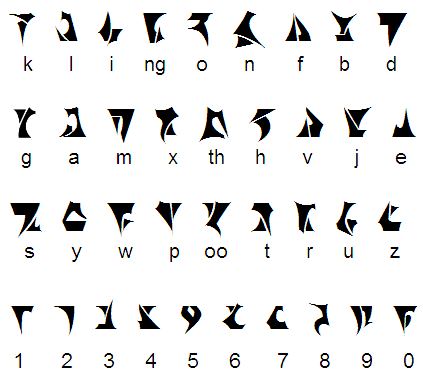
More widely used perhaps is Klingon:
next, an in-class exercise
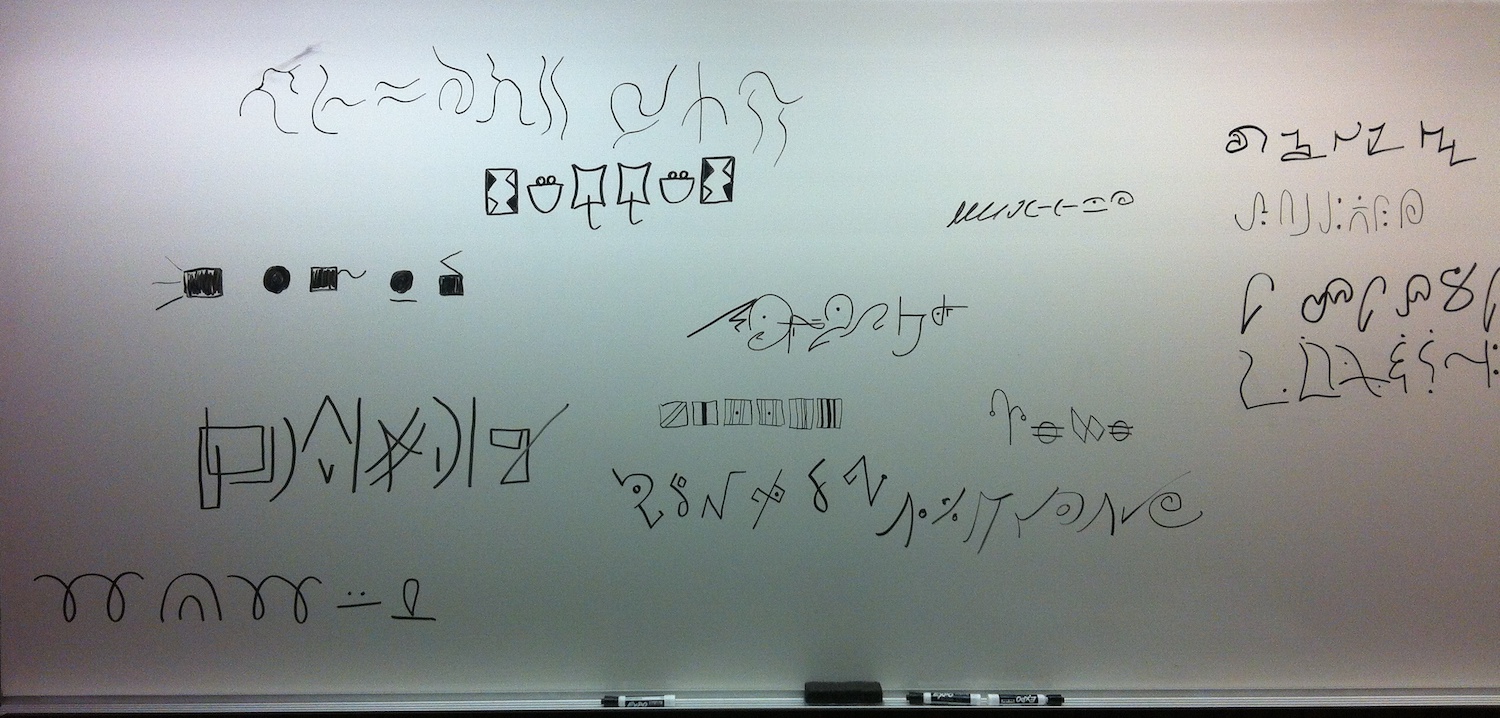
Create a new alphabet. You have 15 minutes.
When done, they wrote their names in their alphabet, and put them on the board.
The characters are illegible but full of character. I can almost tell, weeks later, whose letters are whose. (Of course the palindrome’s a giveaway.) And that’s asemic writing for you: all the meanings semantic meaning was veiling, when we were distracted by it, shiny toy, creep forth, peek out.
And now, the exercise, asemic writing
At home, compose a page of asemic writing.
And man did some come out good. I will post, haste.
To those who had trouble with the ex, I said, try it again, with your eyes closed.
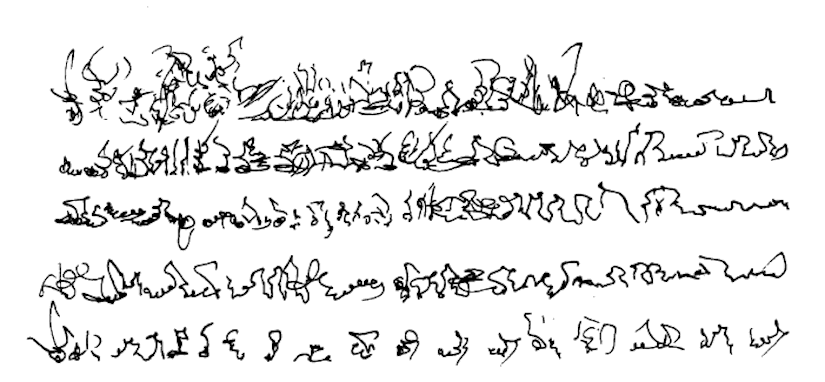
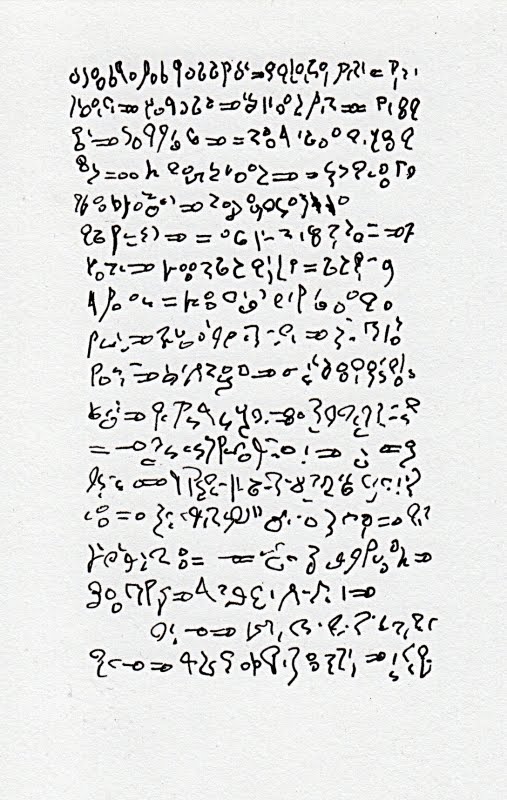
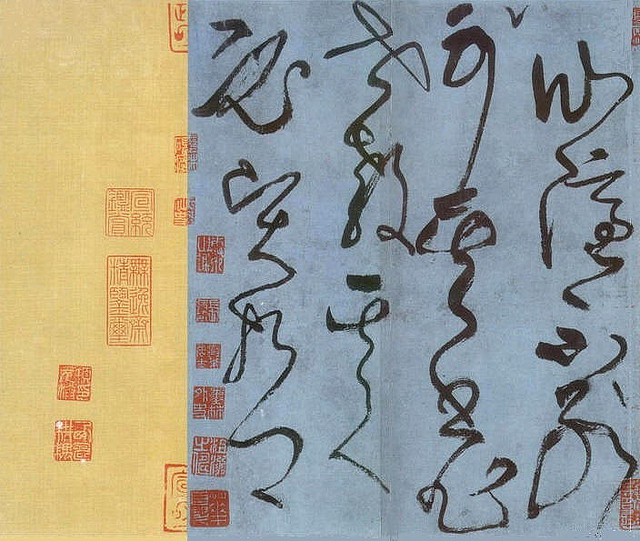
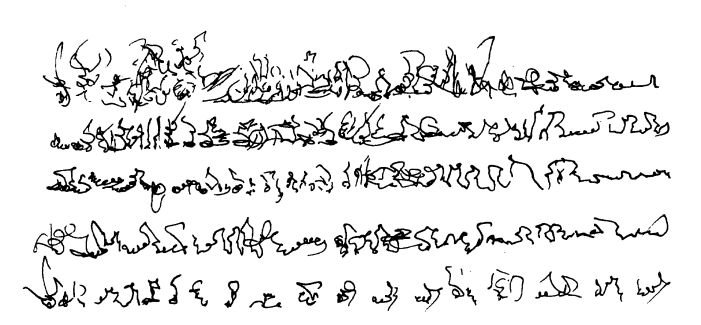
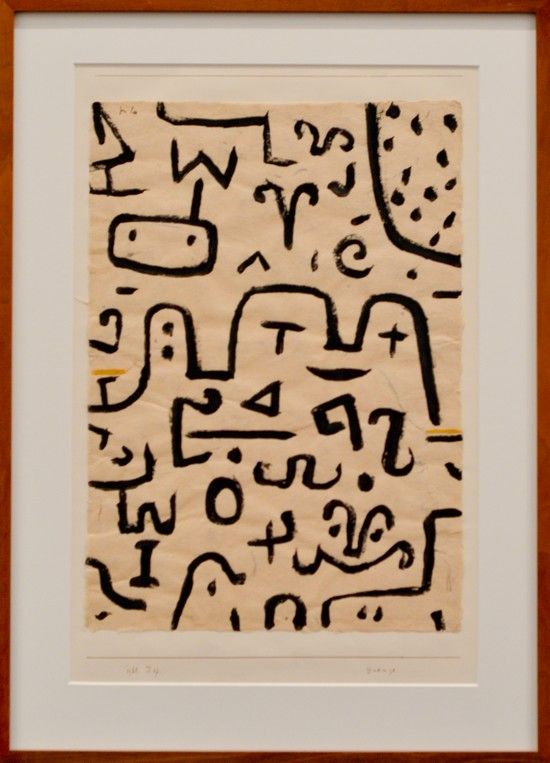
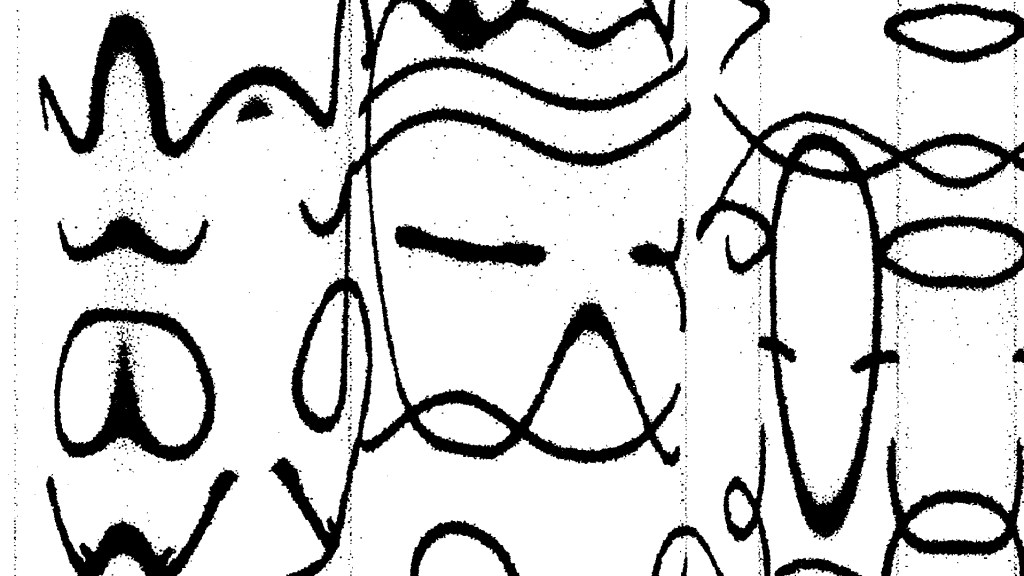
Examples of asemic writing I had for them, who now are you, to look at.
Postscript. Orientations, orient, Orient, Orientalism. Can’t help but wonder, worry a little, as I play around in the asemic stream, what kinds of othering might be going on. It’s pleasing to make a script one recognizes and doesn’t, cognizes and doesn’t. It gets fantasy circuits firing without any durable duty to, I dunno, the actual world of beings bedded in history. Sort of the way paintings of Turkish harems might have got Euros turned on in the 19th C?
Play’s okay, we all need to sometimes. But while most of the asemic stills in SCRO, my current project, are redolent of leafs and bugs and unraced faces, there are those that might mind one of an ethnographic rattle, or petroglyphs I saw somewhere, and others please me maybe for imping the fluidity of Arabic.
What the fuck am I redoing the Mikado for the 21st C or something? I don’t mean to, but do I get to claim the privilege of not meaning to? A couple friends and I are putting together a proposal for next year’s CCWWP Convention, theme of necessary conversations in a time of racial and gendered violence. Had thought to propose on this – show some, say my self-questions, see what other questions flew. (Our thinking’s gone another way, another post on that.)
Post-postscript. Are many Arabics gorgeous and asemic to me meaning God.
“In the name of Allah beneficent and merciful”
There needs to be room for play of equals. That astonishing face is full of play.
Post-post-postscript. The book that got me started on this whole misadventure – erasure, asemia, the limen, the lumen, the clinamen, compostery even I’d maybe say, is Imagining Language, eds. Steve McCaffery and Jed Rasula. I met Hélène Smith there, e.g. Now out of print. SAD!
I think it’s a sort of breakup poem? Long after the fact but a fresh wave of it.
Oh yes, lotsa wish, loss, yearning, resolution. This little heart wants so much!
Snow’s all round today – air, ground, sky, quiet, lovely.
Yesterday a hummingbird in the snow at the lavender flowers.
Whether “life goes on,” I don’t always know, but living goes on, I do see it.
Image up top, tilt your head sideways. You’ll see the left side of the sad face is the word happy. It made the round forms in the middle, heartlike, applish, insecty.
A great one gone from us today. Ashbery dead at 90.
His extraordinary proposition: that a poem is a poem.
So many years before I got that. When I did I saw in hindsight he had helped me to. (Haven’t yet managed to write one, but now I know what one looks like.)
No time for the post I want to write. So just this sweet bit from the NYT obit
Asked once about a poet’s proper relationship with his audience, Mr. Ashbery rejected the idea of deliberately “shocking” the reader, a tactic he compared to wearing deliberately outlandish clothing and which he dismissed as “merely aggressive.”
“At the same time,” he said, “I try to dress in a way that is just slightly off, so the spectator, if he notices, will feel slightly bemused but not excluded, remembering his own imperfect mode of dress.”
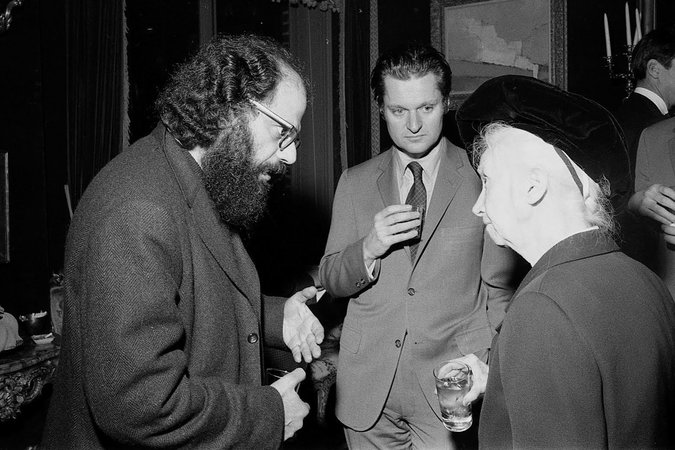
And this photo from same. Imagine the conversation they’d have had! or not!
Allen Ginsberg, John Ashbery, Marianne Moore. At a party in 1967. Photo by Jill Krementz.
Take care of each other. We don’t get a lot of time.
From an early draft of my intro to the OE translation book. On the trope of exile and how it enacts Augustine’s “region of unlikeness.” But madness in Charlottesville and moral turpitude in Washington took it over. Wanted and still want to think through how the poems, composed by white men before “whiteness” was a thing, still inform this thing we know now as “whiteness.” The poems hold some of the raw materials – patriarchal culture of violence and valour and stoicism; will to dominance; constraint of women and suppression of what’s thought feminine; default stance of fear and suspicion towards the unknown; I could go on. Add ships and maps and a thirst for wealth and stir.
Also in them I find – mindfulness and curiosity, a tolerance for ambiguity, values of restraint and moderation, a love of beauty, playfulness, the thought that much in the sense world could be animate, with its own ways of thinking-and-feeling-through.
Caught between wanting to diagnose a sickness, and celebrate an innocence.
From Unlikeness Is Us: Vagrant Inquiry
Unlikeness not aware of itself is alienation. On the other edge of the country I call mine for now a node of alienated whiteness drove through a crowd yesterday and killed someone. His idiot crew had flags on pointy sticks and torches, pointy sticks.[1] These poems may be ancestors to those supremacist pricks. They’re not on the hook for them, I insist that, but they may provide clues to them. The loneliness in the Anglo heart, the character Western restlessness later takes in it, bold and practical, industrious, venal, unscrupulous, when the age of exploration and colonization starts, and how that goes for the others met – there are clues to that in these poems. Maybe also seeds of the grotesque absurdities of Anglo-Nordic pride as it beetles from the fringes of American life pretty much as I type into the White House bedroom. But that’s later. The poems are wakeful. They take Augustine to heart, they believe in his unlikeness. They take unlikeness in, estrangement from the astonishing felt tissue of the present, their own blooming singing bodies and the shining rampant sense world about. That may be tragic error. It might be the tragic subject all these poems have in common. But they hold a wakeful engagement with their condition as it’s given them. They don’t shut down. They stay brave, eyes open, looking out, looking in. They’re at the root of one of the world’s great traditions of interiority.
[1]. “When questioned about the rationale for Trump’s evenhandedness, the White House clarified that both the protesters and the counter-protesters had resorted to violence. This is notable in that the United States was once a country that did not see Nazis and those willing to fight them as morally equivalent. Aside from that, however, there were no images of anti-fascist protesters mowing down reactionaries with their cars.” – Jelani Cobb in The New Yorker.
P.S.? I hate hate hate having that photo there. Like the smell of fresh shit in a kitchen drawer. To lessen it I’ll note that the douchebags are using for their grand display tiki torches of the sort used to repel mosquitos at family BBQs. Ride, warrior, ride. (Noted by Vinson Cunningham, also in The New Yorker.)
P.P.S.? Not that there’s anything wrong with mosquitos, shit, or a douche, in their places.
First para of the introduction to Unlikeness Is Us, a draft of it. Or could be the start of a mystical diversity statement; to my odd way of thinking, anyway.
Ungelīc is ūs. Enigmatic, in the Old English, but it means something like “it’s different for us,” or maybe, “we are set apart.” To say rather “unlikeness is us” is to go after something uncanny in it – and in the poem it comes from and in all these poems – rather than the surface sense. By “uncanny” I mean something both familiar and strange, near and far, about these poems, that makes them, not scary, unsettling. Freud’s word for it was unheimlich, “unhomelike,” and he meant something intimately known, then by choice forgotten, and now it’s come back to be known again, and there’s an inner shiver. Something true of you you’ve become absent or alien to and here it is at the door. It’s how these poems meet me anyway. They’ve always been with us but have we known how to read them? Unlikeness has always been us but do we how to be it? I sit writing in a whitish corner of America, 2017, summer, no clouds and no sun either. Corner of Canada adjacent, where I grew up, is burning. America is burning too, literally,[1] allegorically,[2] morally,[3] anagogically.[4]
[1]. Reading according to the letter. Record-breaking heat this summer, again, and a terrible wildfire season, again.
[2]. Reading for the “truth hidden under a beautiful fiction” (Dante, Il Convivio).
[3]. Reading for the teaching or instruction implied.
[4]. Reading oriented toward the future, eschatology, end times. Note the vanishing of the sun without clouds or night or an eclipse to explain it. Apocalyptic.
I have ADHD. Confirmed last week. Don’t know whether to cry or be glad. A lot of things fall into place. Including why this leap and not knowing whether it’s an overshare, how to tell.[5] I guess, if you can’t spill too much on a blog, where can you.
To everyone I’ve ever talked over, interrupted, I’m sorry. God but I am.
[5]. Good example of unlikeness though whatever else it is.
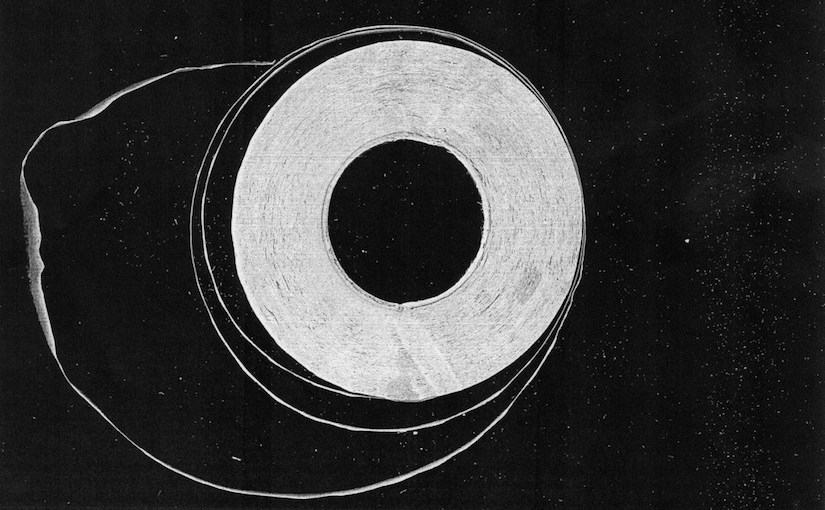
Image atop is from this article here, about adoption as dissimilitude, and the love of humans and God. Have only scanned it but looks intelligent, and moving, and pertinent to the next paragraph of my intro, which isn’t ready to post yet.
But here’s the bit from Augustine:
When I first knew you, you took me up, so that I might see that there was something to see, but that I was not yet one able to see it. You beat back my feeble sight, sending down your beams most powerfully upon me, and I trembled with love and awe. I found myself to be far from you in a region of unlikeness, as though I heard your voice from on high: “I am the food of grown men. Grow, and you shall feed upon me….” I said, “Is truth nothing, because it is diffused neither through finite nor through infinite space?” From afar you cried to me, “I am who am.” I heard, as one hears in his heart; there was no further place for doubt.”
I hate his theology, as it seems to have come out to be as a whole, but love his writing, as I find it in its concrete instants. And yes I’m playing around w/ ADHD as a form, have been a good long while, apparently, it’s one of the upsides. Thanks for reading.


 came these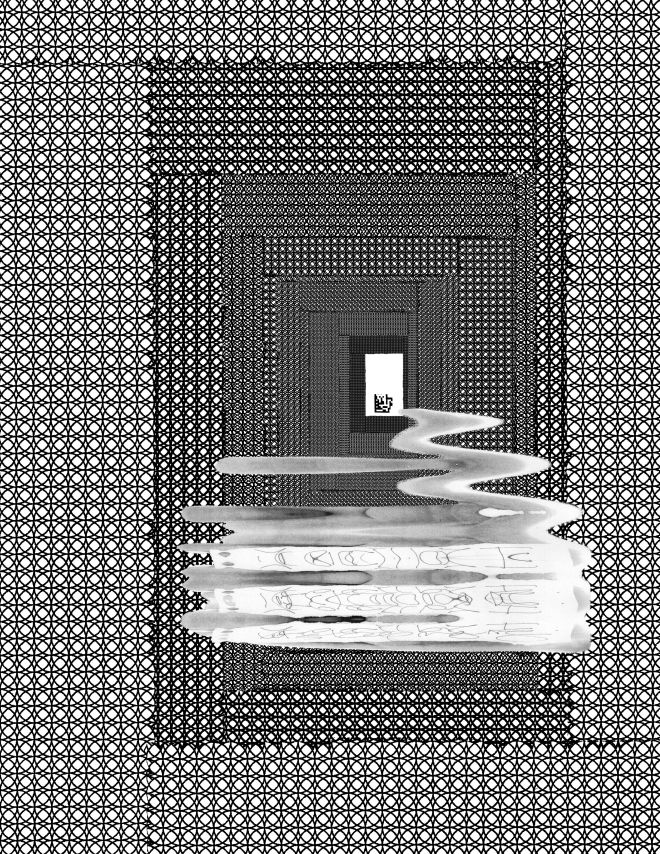









 The Art of Compost