Typographia I Asterisk

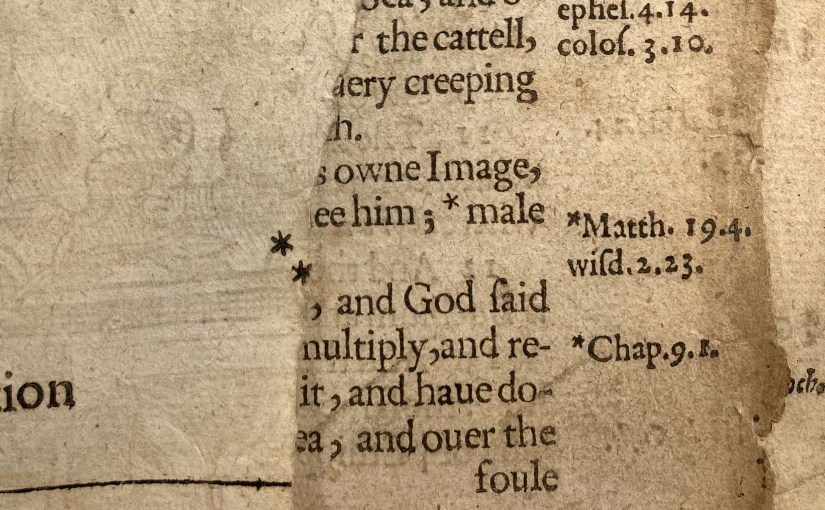
In the summer of 2022, as Guest Curator at the Centre for Renaissance & Reformation Studies, I curated a small physical exhibition of handpress-printed books, Typographia, exploring six distinctive glyphs found on the early modern page.

I also began a digital version of Typographia, coding it on Twine, an open-source platform for interactive, non-linear games. The first part, on the history & deployments of the asterisk, recently went live. It starts like this:
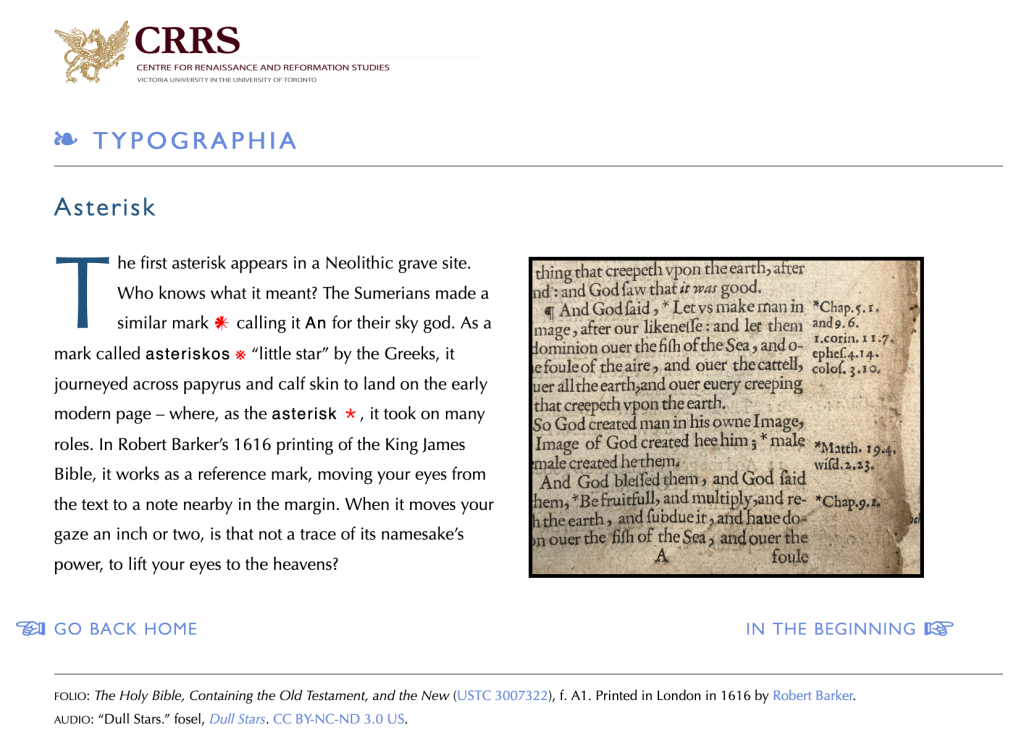
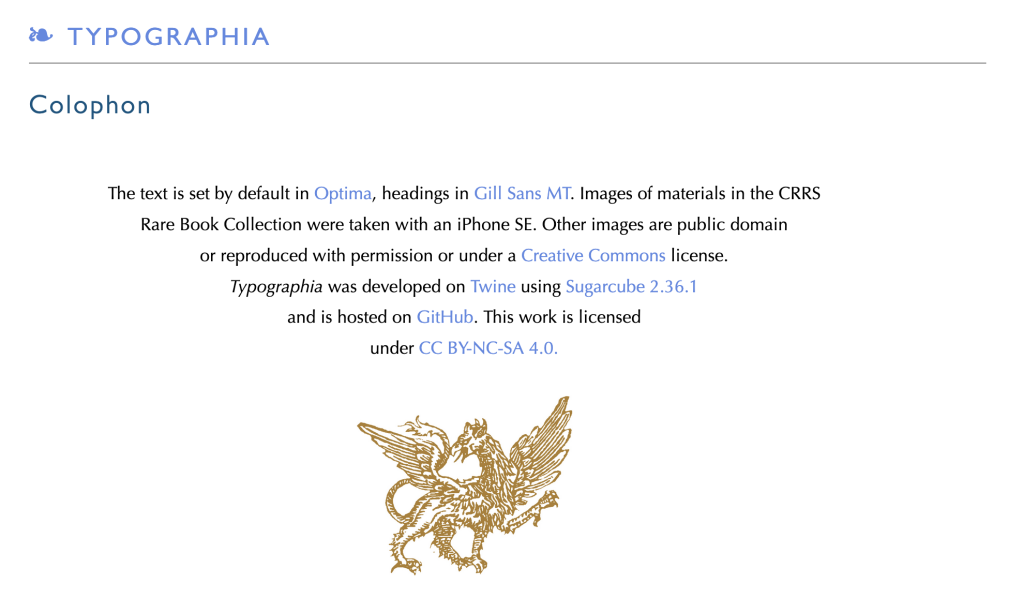
This image has an empty alt attribute; its file name is screenshot-2025-06-19-at-2.46.27e280afpm.png

check it out

Working on Twine was fun & arduous. I approached it as an experiment in digital typesetting and learned everything I could from my handpress forbears about typeface & page design. In my note on the project I put it like this:

An exhibition is a story, or a suite of stories. Some can be told in a straight line. Others are more shrub than tree – more rhizome than taproot – and ask to discover their own shapes. I’ve created Typographia on Twine, an open-source platform for creating non-linear narrative games, in that exploratory spirit. I haven’t seen Twine used for an exhibition before. This is a trial run, as the first pages printed in Eu­rope also were.

This image has an empty alt attribute; its file name is screenshot-2025-06-19-at-3.14.40e280afpm.png

Still to come, lever of the pilcrow , sprawl of the fleuron .

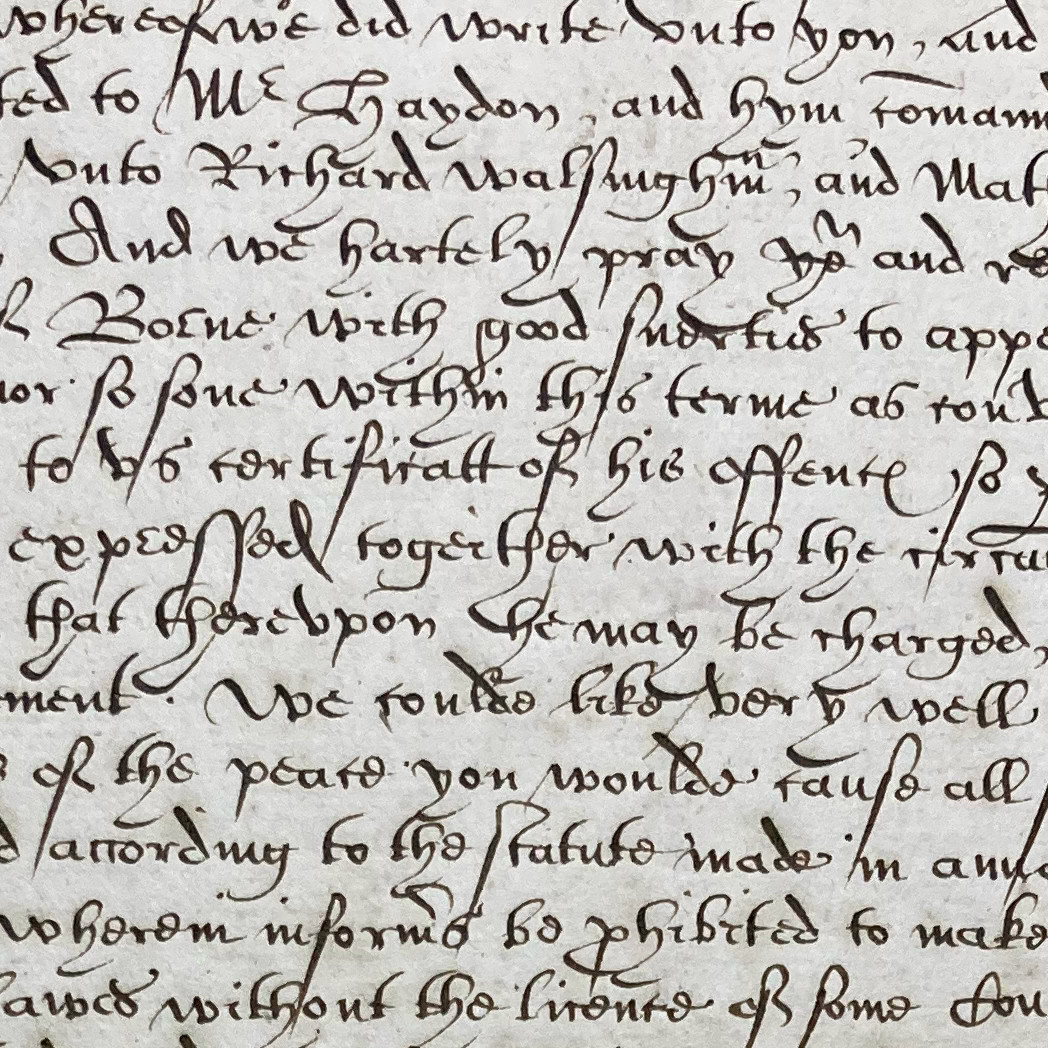
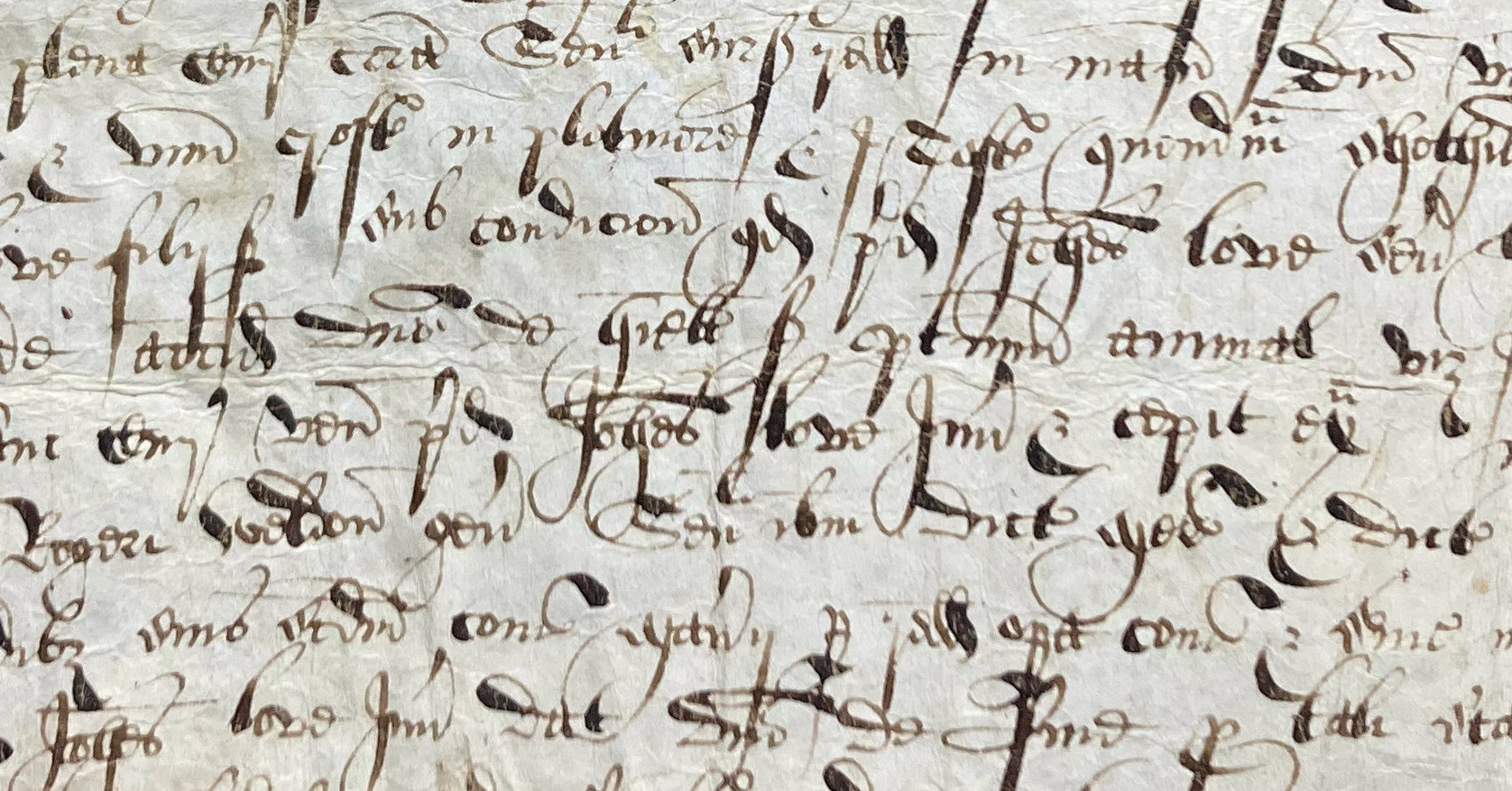
The articles of Box 15

My exhibition BOX 15 is now live in the Robertson Davies Library at Massey College. If you’re in Toronto this summer, and interested in paleography, please do come by.

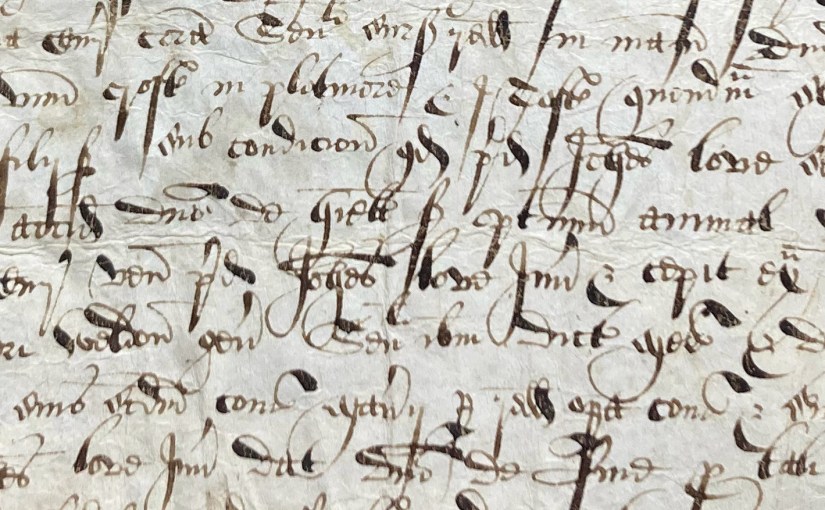
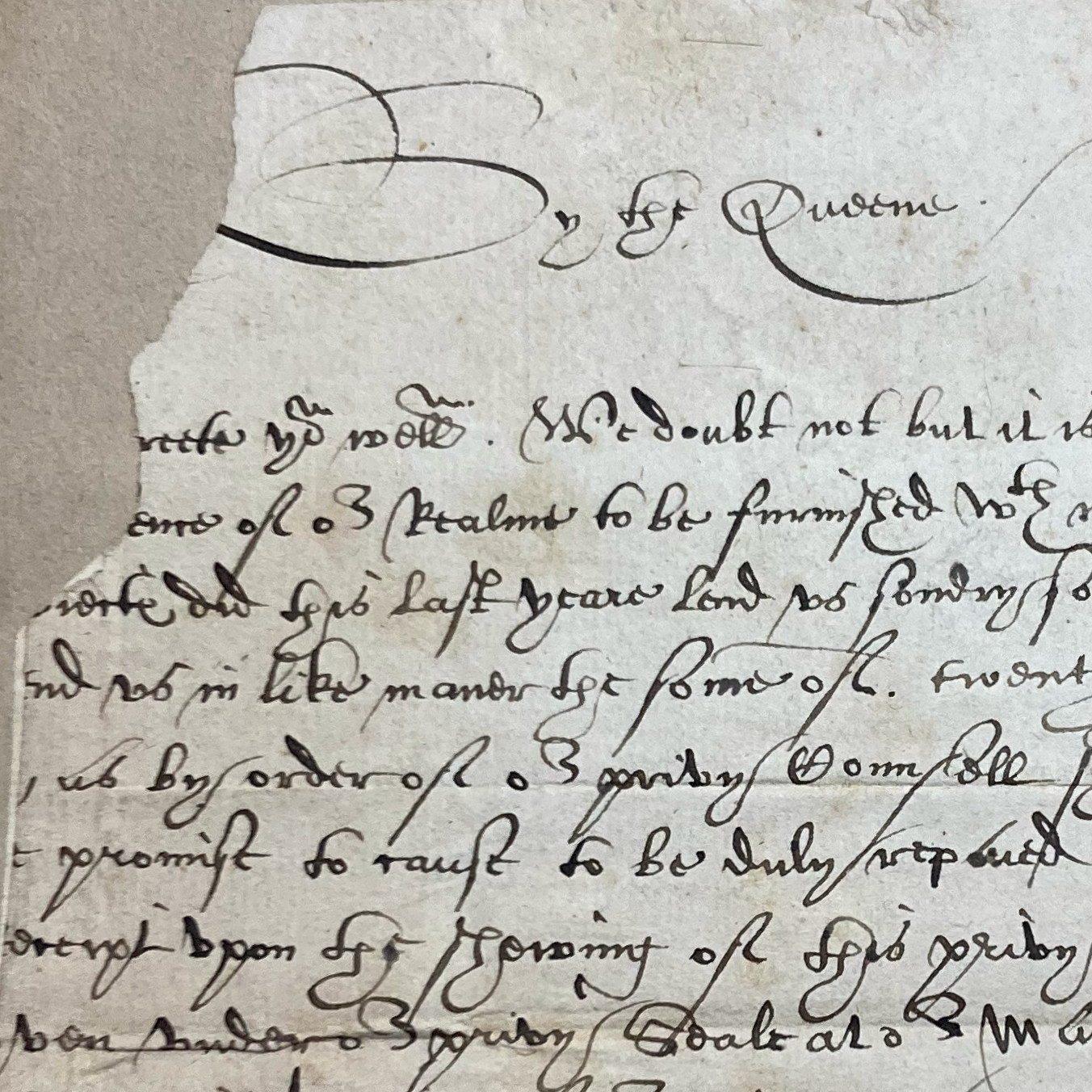
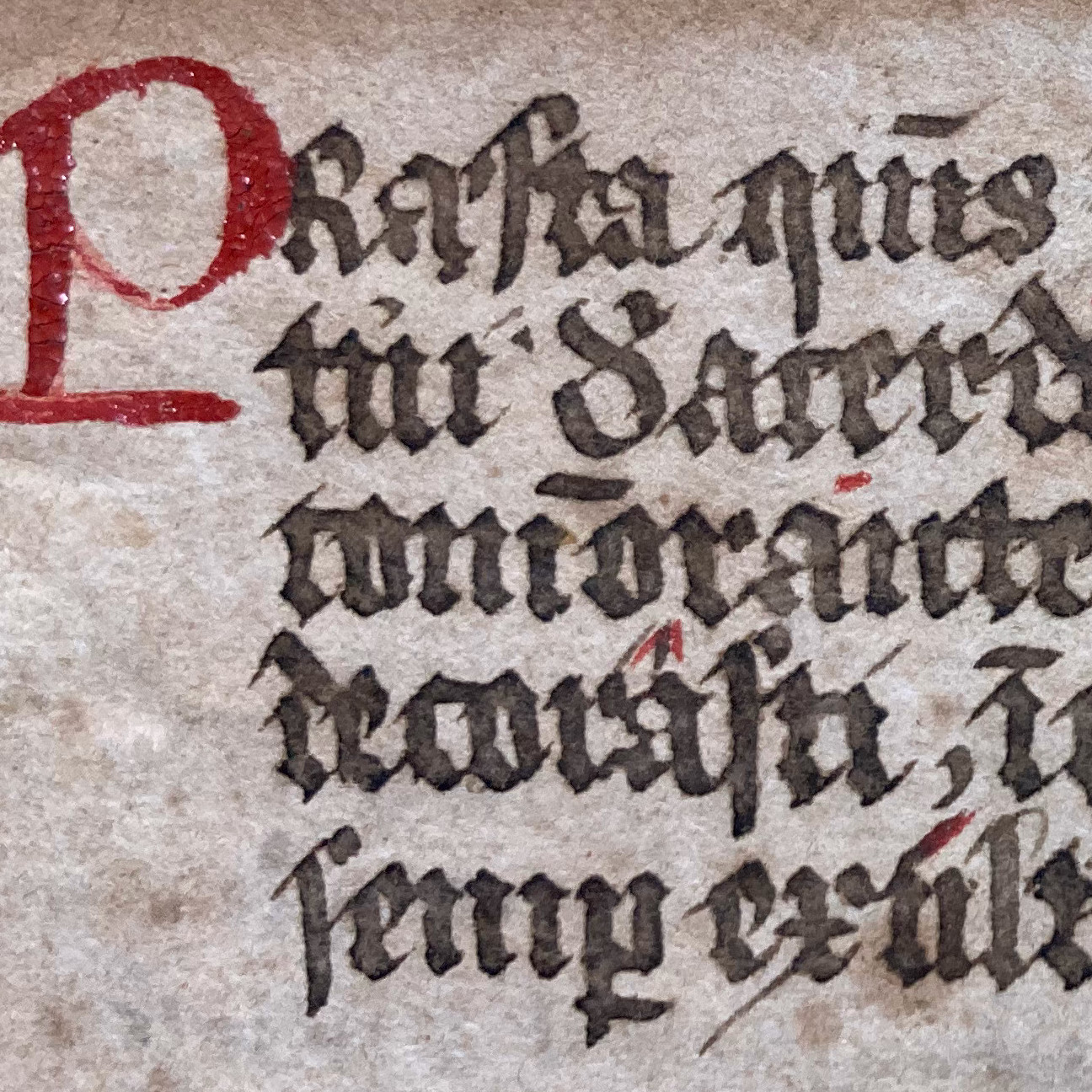
Installation images are coming soon. For now, portraits of a few of the stars:

And here’s the intro panel:

Legal charters in a Scots dialect. A letter from Queen Elizabeth I’s most powerful advisor. Parchment slips recording the lives of a tenant family in southern England. A battered handwritten ledger bound with uncut pages of a printed book for which no other record exists. How did they end up together in an archival box on a shelf 20 m behind this sign?

Box 15, the most miscellaneous in the Paleography Collection, was also, until recently, the least documented. Following clues found in books on our shelves, in archives local and international, and in records gathered by amateur historians, BOX 15 asks of each item in this unassuming white box: What is it? Who made it? What does it say or do? And how on earth did it get here? Some­times answers are found. Often they can only be guessed at.

These material traces of lives once lived convey how complex the web is of cause and effect, choice and accident, even a modest collection sits at the centre of. Together they offer a taste of the paleographic adventure – a weird mix of archival research, forensic science, and circus trapeze act.

– Christopher Patton, curator

Up for a deep, deep dive? Here’s the catalogue.