This fall I’m teaching The Art of Compost, the course that hatched this blog, for the first time in three years. Thought I’d share with you the page that greets students when they go to the course’s online platform. Meant to open them to a composty way of thinking about word objects.
Welcome to
ENG 460: The Art of Compost
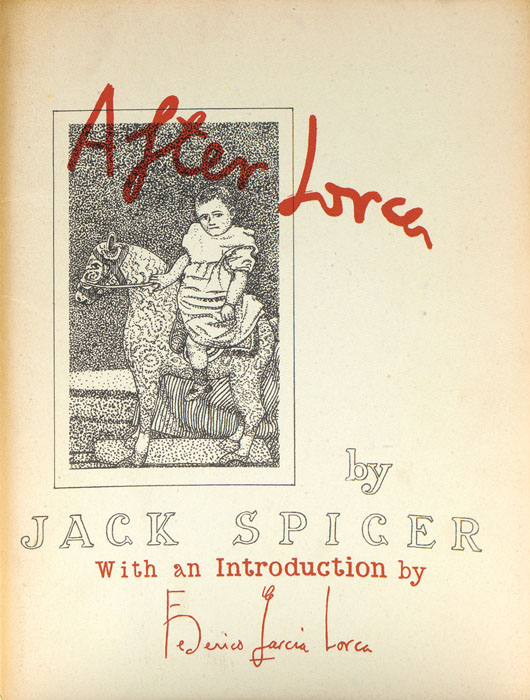
“Look at my butterflies, my stamps, my old shoes!” What does one do with all this crap? –Jack Spicer
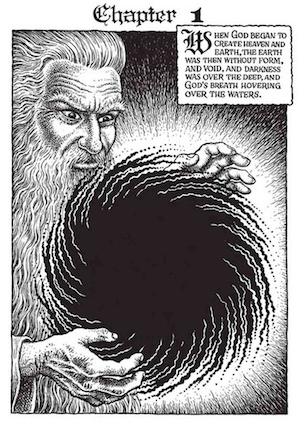
In the beginning, there was compost.
R. Crumb, The Illustrated Genesis
The Bible is a compost pile.
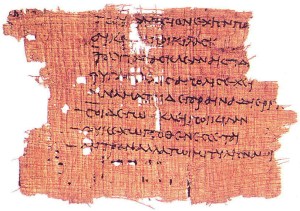
The story of the Flood is floodwrack of a Sumerian epic, Gilgamesh.
The Song of Solomon, proclaiming the devotion of the Hebrews to their God in really quite erotic terms, is a compost of Canaanite love poetry.
The New Testament cannibalizes the Old to make Jesus make more sense.
perception illumination annihilation enlightenment dissolution regeneration sex birth death irrigation animal husbandry
Compost will be our trope for how writers take extant works and break them down to pieces they can use to make new works that will be broken down in turn to make new works &c.
Whew. That took longer than you’d think to format. As you can see, it raises more questions than it answers. Our primary texts, w/ links:
Compost as trope, as topos, as practice. It’s a way of digging intertextuality and materiality without going all theory. It’s also ecopoetics as I myself feel it, not nature-as-leafy-green-stuff one swoons to in words, though that’s well and good, but interbeing discovered as your textual ground. Indra’s Net, felt on the breath, that it becomes the texture of our works, our days.
Our reading practice is fluid, but some of these may swim into our ken:
Later will try to get some more recent workings in.
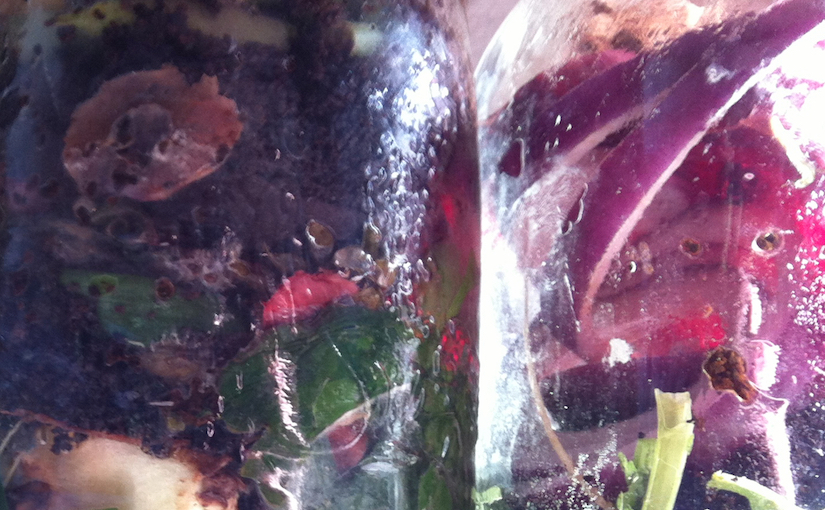
Here, for now, the wormipede I just found on my kitchen floor, WTF.
Lastly, why so Euro? I need to dwell more on that, but it’s got to do with a hankering for diagnosis. Our thought, I mean the West’s, has been sick a good long time. One way to get a bead on what ails us might be to trace the shadows that remain of cultures who before their ruinous contact with us lacked our afflictions. “Ethnopoetics.” If we’re amiss, our others may offer a glance of salutary haleness. While I admire elders like Robert Bringhurst and Jerome Rothenberg, deep and sincere in an exogenous practice, it may have felt to some of its objects – it surely would to me were I to try on any such regard – like more of the same damn thievery.
Another way is endogenous – sift the debris all round us of our own works and ages.
A near perfect haiku came from my love by text earlier this eve.
Im making my moms
moms cake for dessert , it
is called “my cake”
I get pissy about 5-7-5 for haiku in English. Wordy. Haiku’s genre for us not form, moment of unanticipated in-seeing. Count your blesses! not your sylls!
Also the search has been on since at least Kerouac for authentic American haiku. Now and then one’s found, and this looks to me like one.
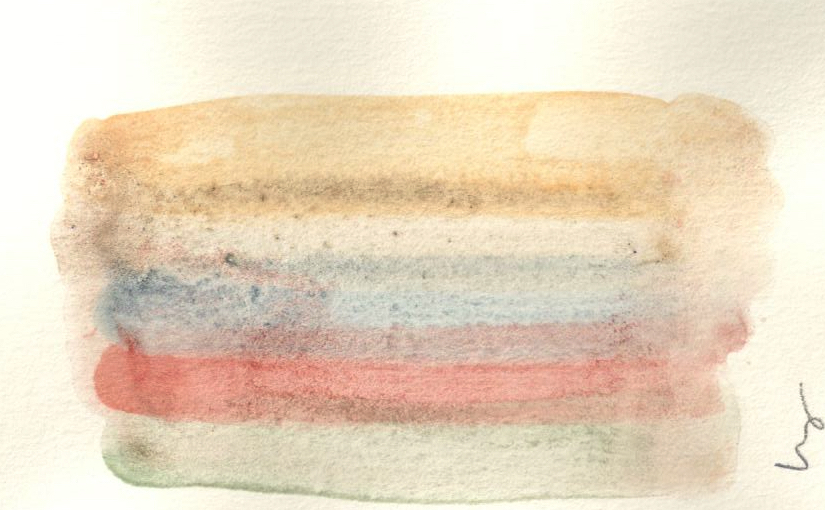
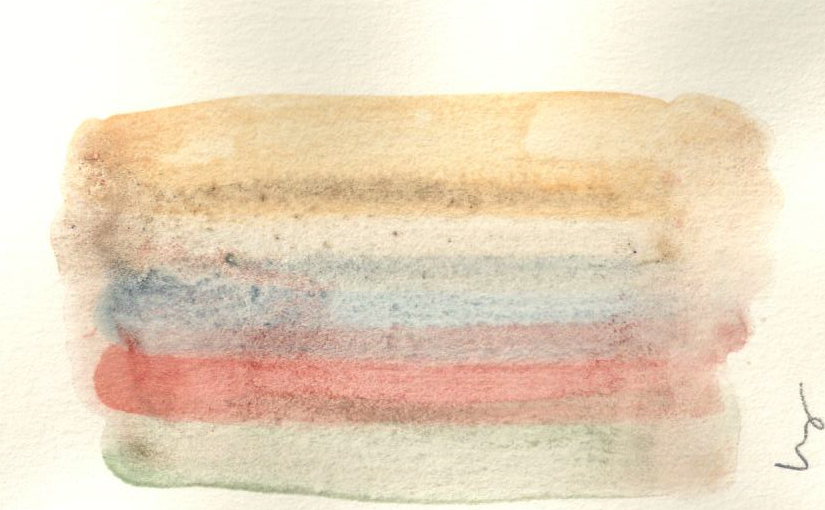
Serendipitous also, her rune tanka, 5-7-5-7-7, pigments made of ochres from the whole planet. No fool I haven’t counted the sylls. It’s a five-realm rainbow.
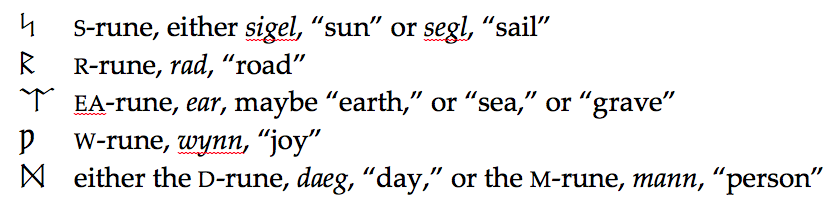
H. painted it in quick accord with these runes in the OE poem “His Message.” The which no one knows how for sure to read
Have a trans. of it coming out soon in Asymptote, will post a link of it when up.






 The Art of Compost