Howl, phonetical

From bombmagazine:

Seven posters from The Singing Posters: Allen Ginsberg’s Howl by Allen Ruppersberg (Part I), 2003, 14 × 22 inches.

These are pretty. Got nothing much more to say than that right now. Oh and they bring bill bissett’s hypercool phonemes to mind. Oh and they confirm that each line of “Howl” really is a page —

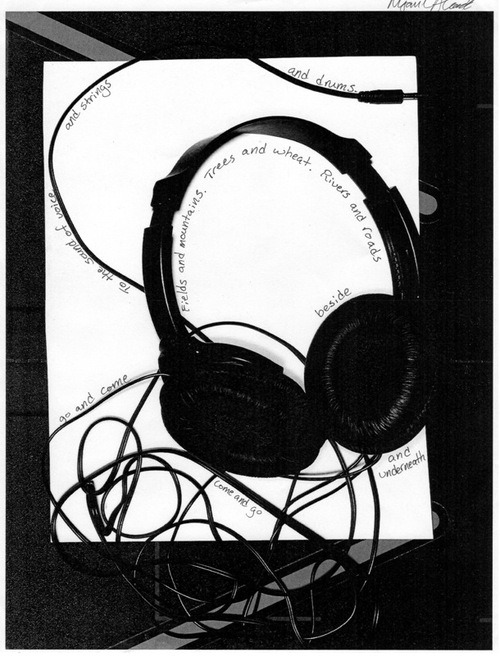
Final projects: Megan

image

She writes:

Whenever my family and I go on roadtrips I listen to music for hours and watch the scenery pass. I placed the first part of the poem between the headphones to visually show scenery passing to music. The jumble of wire underneath the headphones creates visual and mental pauses. The last part of the poem (describing the music) is placed near the plug-in because that is the part that allows me to listen to my music.

One thing I really like here is how the loops and curls of the cord (especially at the bottom edge) pass on and off and onto again the sheet of paper. A feeling of freedom or unboundedness in it.

Exercise: Compost mural

From a 20 foot mural my class made today in 50 minutes (give or take). The prompt: using only the materials you have on hand, or can forage from the surrounding environment without breaking the law or hurting anyone’s feelings, express your understanding of “the art of compost” (course title). In other words, a crash course in targeted bricolage.

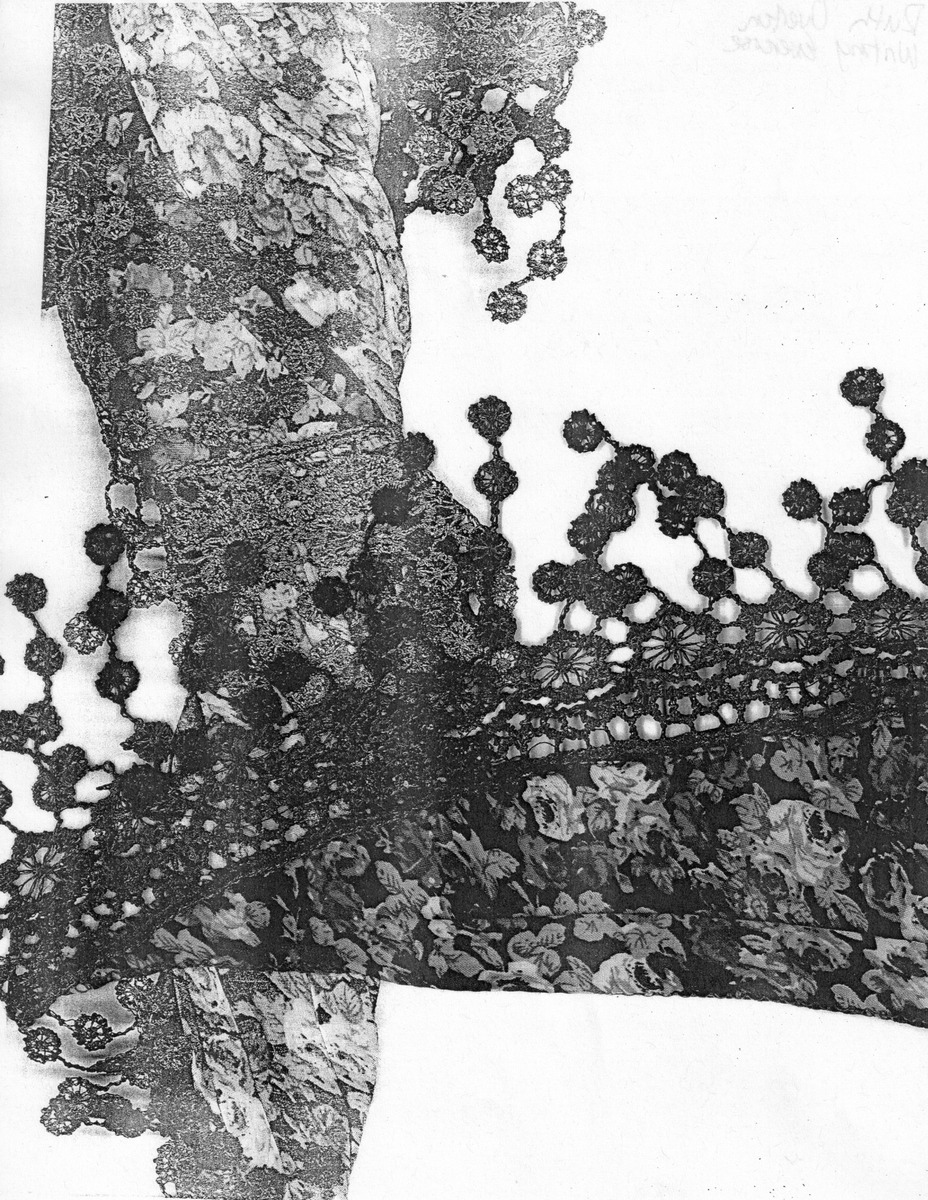
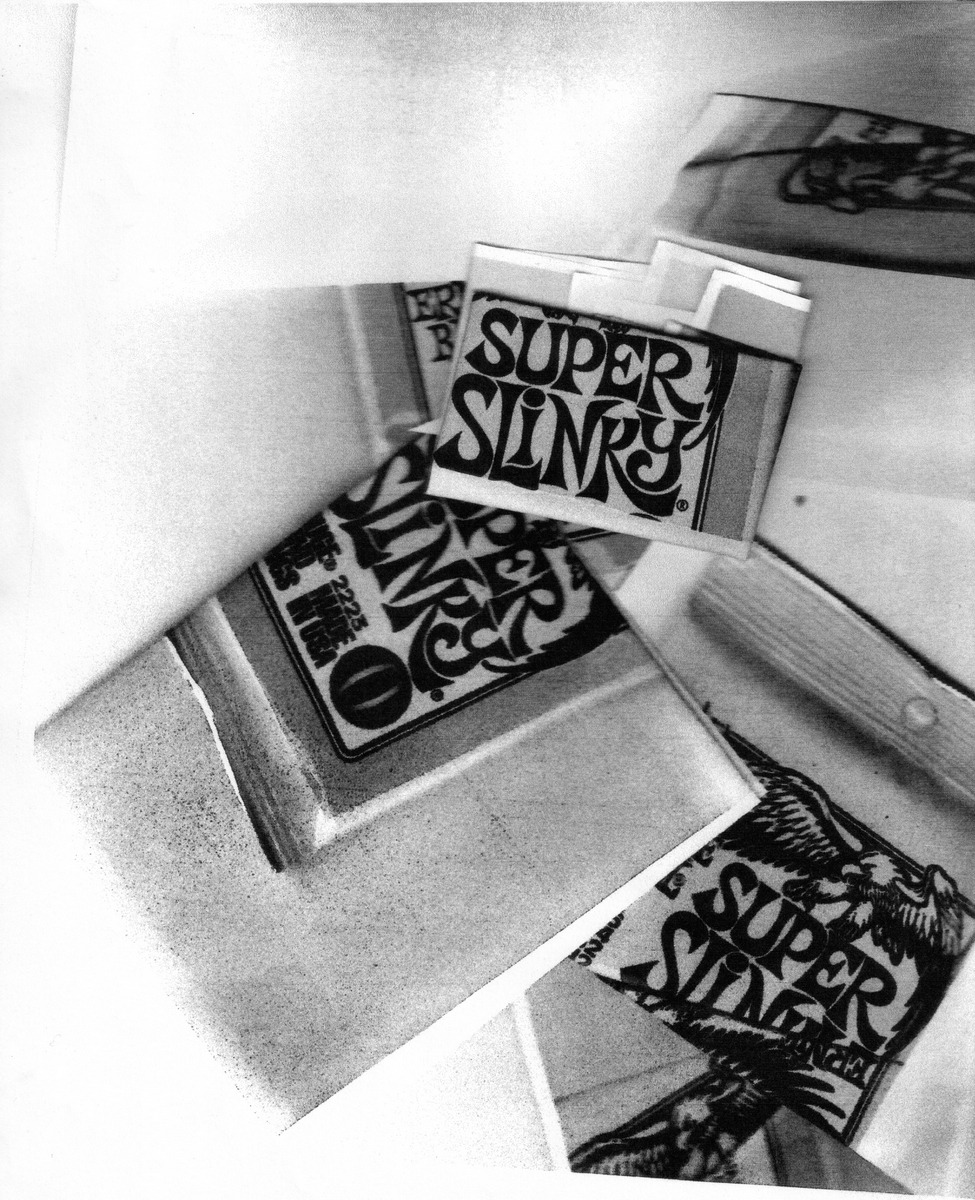
Photocopier poems

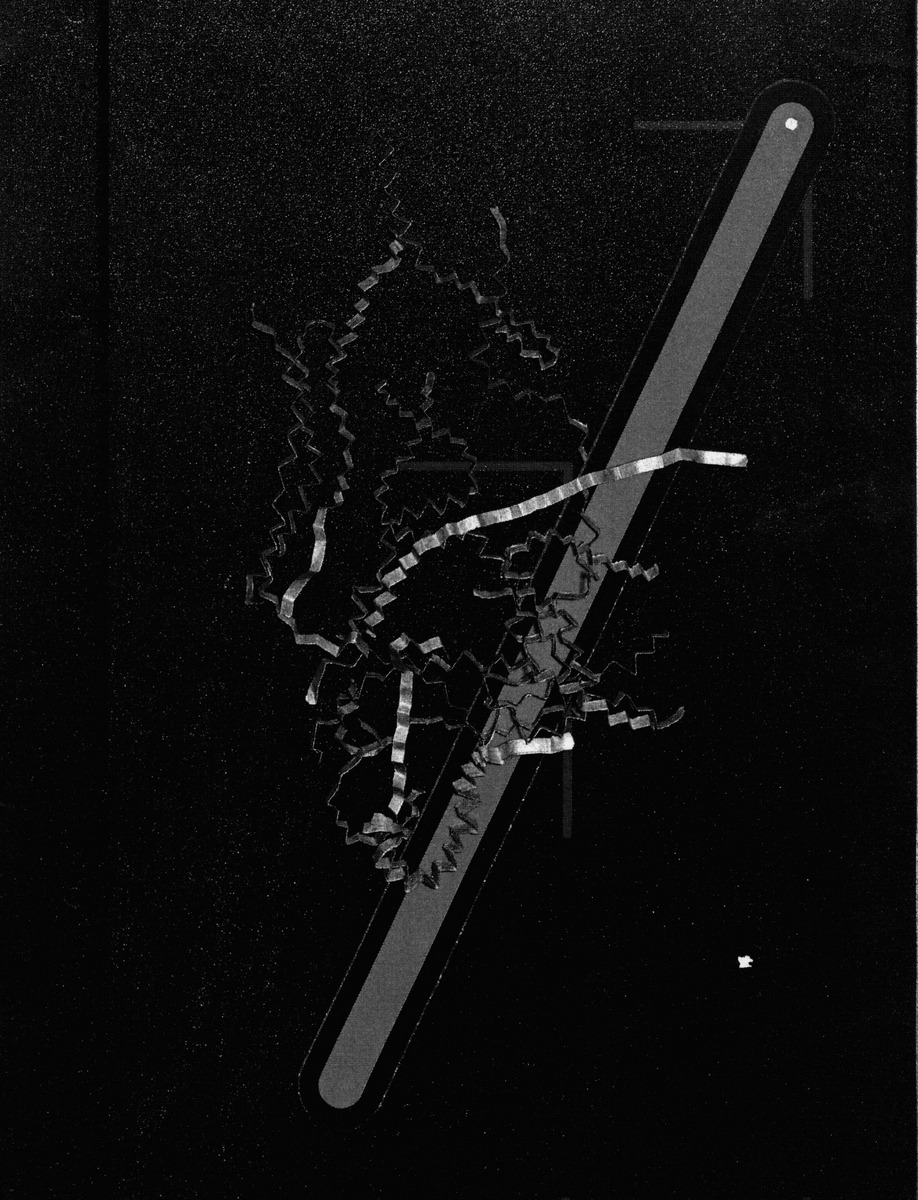
My paper towel star cluster poems. Made in five minutes on the department photocopier (and then some cropping via Picassa.) Somewhere in here, somehow, is the fact of having watched  Under the Skin, the first half, last night. Kinda slow, but the opening sequence, mating planet and iris, seems to have stayed with.

Exercise: Strange surfaces

Write a fragment, prose or verse, on an unconventional surface. In other words, what Emily Dickinson does in The Gorgeous Nothings, you do too, on some other inscribable surface.

For instance, you might take a paper bag and cut a shape from it. Triangle, rhombus, hourglass, angel wing? Make sure it has interesting surface features. Seams and ledges and creases.

Then to write on it a text that heeds the shapes available. Do you ride right over seams between paper zones? Or arrange your thought to accommodate ledges, flaps, secret corners? Does the form of the surface maybe inflect the words you set down there?

The distinction between prose and verse starts to decay here.

FOR ADVANCED USERS (that’s anyone). Pay attention also to your writing implement. Dickinson’s envelope poems leave traces of her process — for instance, some variants were surely pencilled in later, after the whole was composed, if the quality of pencil line (darker, slimmer) is any guide at all.

The word for it’s materiality — that the matter matters.

Etymologically, matter is mother.

Hebrew: Adam = “red earth.”

Haida: human = “ordinary surface bird.”

We’re earth children you and I. Squawk and g’night.