
Teaching posts from the blog that’ve been popular – and a few teacherly posts too.
Creative prompts
Twenty little poetry projects
Stop making so much sense. ¶ Student work. ¶ More here.
Asemic writing
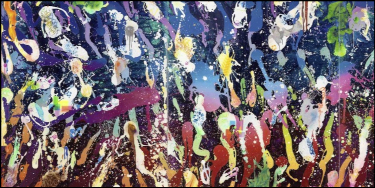
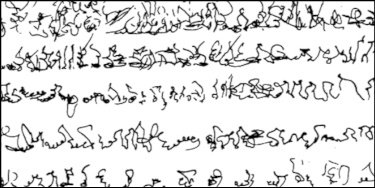
Invent a writing system.
Then compose in a script without meaning. ¶ Student work.
A poem with no words in it
Jack Spicer: “A really perfect poem has an infinitely small vocabulary.” Make a perfect poem.
A poem with no metaphors in it
Write a poem that trusts in things as they is.
Homophonic translation
Translate for sound, not meaning, à la Louis Zukofsky. ¶ Student work.
Zukofsky’s word-flowers
Write a poem in an 8×5 grid. ¶ Student work.
Phone number poem
Write a poem in syllabics. ¶ Student work.

Anagram poem
Write a poem that’s an anagram of its title. ¶ Student work.
Profile of a literary journal
Study the zine before you send your work.
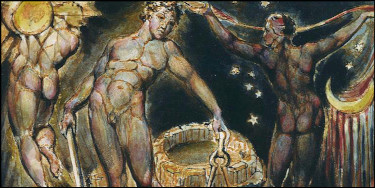
Notes on reading & writing about literature
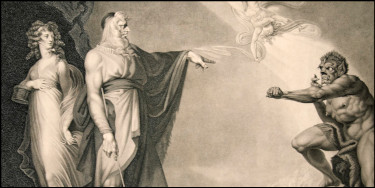
Comedy, tragedy, romance
On genre in Shakespeare. With a shout-out to Aristotle’s Poetics.
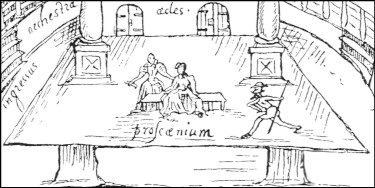
Everything you wanted to know about meter in Shakespeare but feared to ask
On scanning his blank verse.
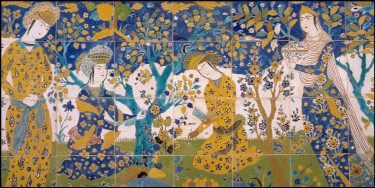
Memorize & recite a poem
Learn a poem from the inside by committing it to memory & speech.

Guidelines for close reading
On shifting the gaze from what the text says to how it says it.
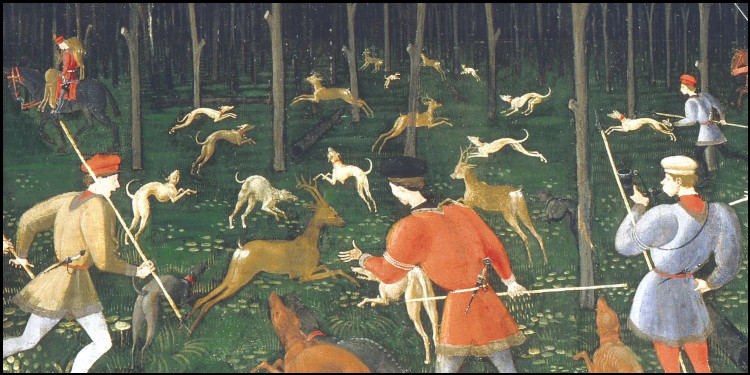
close reading Thos. Wyatt
Putting close reading into action.
The song project
Connecting Renaissance lyrics to the lyrics on your playlist.

Reading & writing The Argonauts
On meeting Maggie Nelson’s genre- & gender-defying text.
On poets, poems, & poetry
Inanna comes into her powers
On a myth of nature
& the nature of myth.
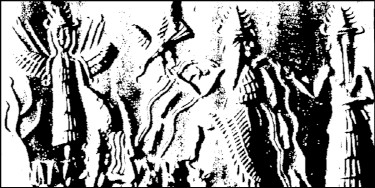
Inanna & Dumuzi get it on
On the courtship of Dumuzi & Inanna, and on time as a myth.

Some Qs for Inanna & Dumuzi
On dying & rising.
On repetition for its own sake.
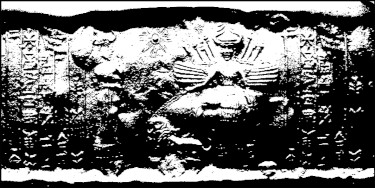
“The Seafarer“
On the Old English lyric, and Ezra Pound’s translation of it.
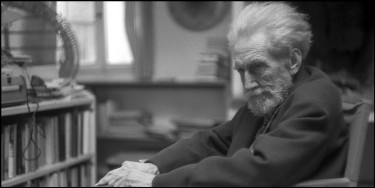
Three on sound
Sound outside semantic meaning. ¶ Reprise: outside human meaning. ¶ Between a rock & a stone.
“In a Station of the Metro”
On sound & image in a too-familiar poem.
“Compose in the sequence
of the musical phrase“
On Ezra Pound’s famous dictum.
“Now the base of old hills“
A Buddhist strand in Pound’s Cathay?
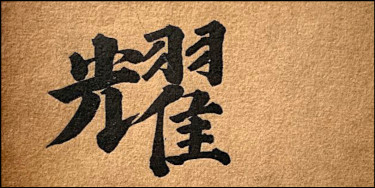
“Thin glitter of water“
On repetition in Pound’s work & lyric as a mode of logic.
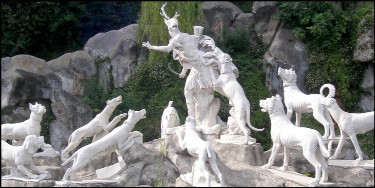
“Terraces the colour of stars“
Pound humbled (sort of) in a tent outside Pisa.
Pound’s ideograms
On his ideogrammic method.
allusions in Pound’s Cantos
An “allusion chart” for Canto II.
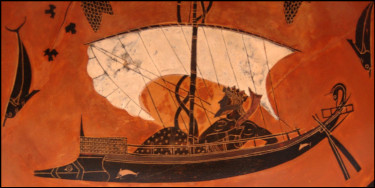
Content(ment) of the Pisan Cantos
On their nexus of economic theory, mythology, and personal privation.
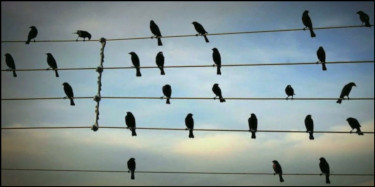
Luminous details in the Pisan Cantos
On refrain as noun & verb. Periplum.
Spring and All encore
On the work by W. C. Williams I love most. ¶ Three exercises. ¶ The poet on the “constant barrier.”
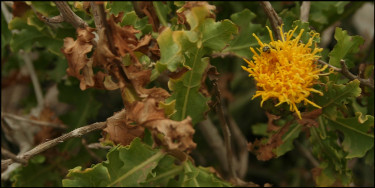
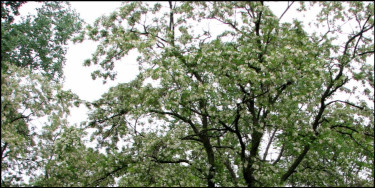
Two locust trees
On a poem by Williams before & after pruning.
Creeley’s Peaces
On a seminal work by Robert Creeley.
A mostly empty
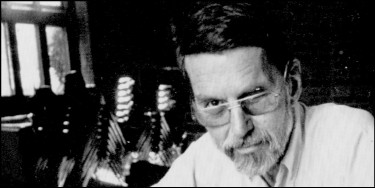
interpretive wonderland
On Robert Grenier’s Sentences.
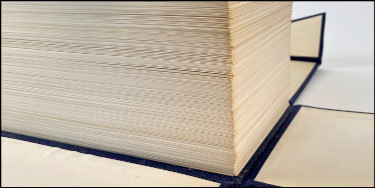
Course materials
A compost sampler
The course that hatched the blog.
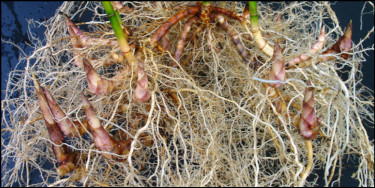
Poetics of the rhizome
Description of a poetry workshop.
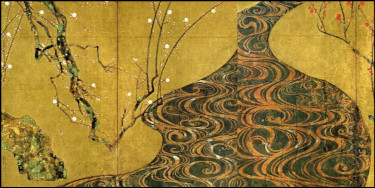
A taste of rhizome mind
On how to think rhizome.
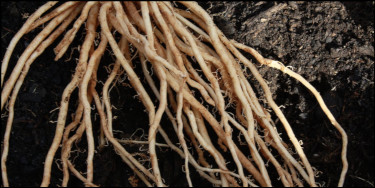
DIY rhizome
A final project for the workshop
Poetics of the Rhizome.
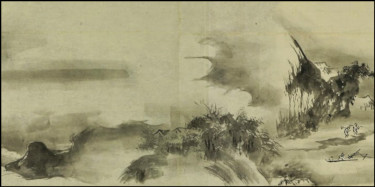
Ezra Pound & William Carlos Williams
Description of a Major Authors seminar.
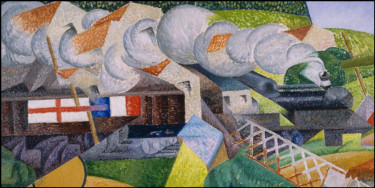
The arts of peace and war
Proposal for a course on creative violence in 20th C. art & literature.
Stray pedagogy
On co-teaching
What Socratic method became, with me.

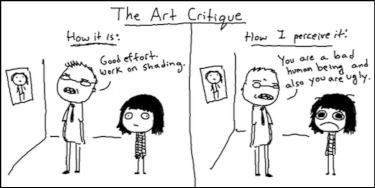
On non-evaluative feedback
A way of working with critique I picked up from my PhD supervisor.
“Only connect“
A teaching statement, with guest appearance by Stephen Colbert.
 The Art of Compost